言語を選択します

The Essential Guide to the High-Performance Rubber Seal Ring
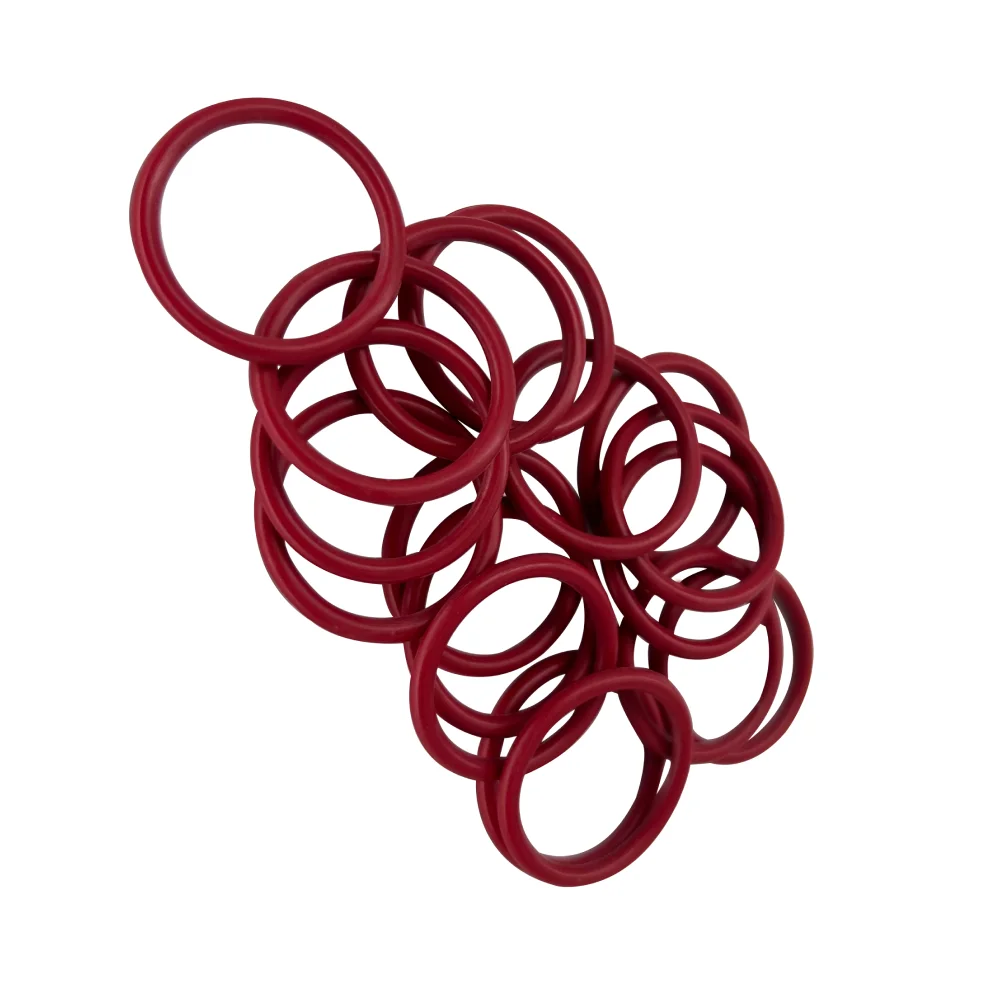
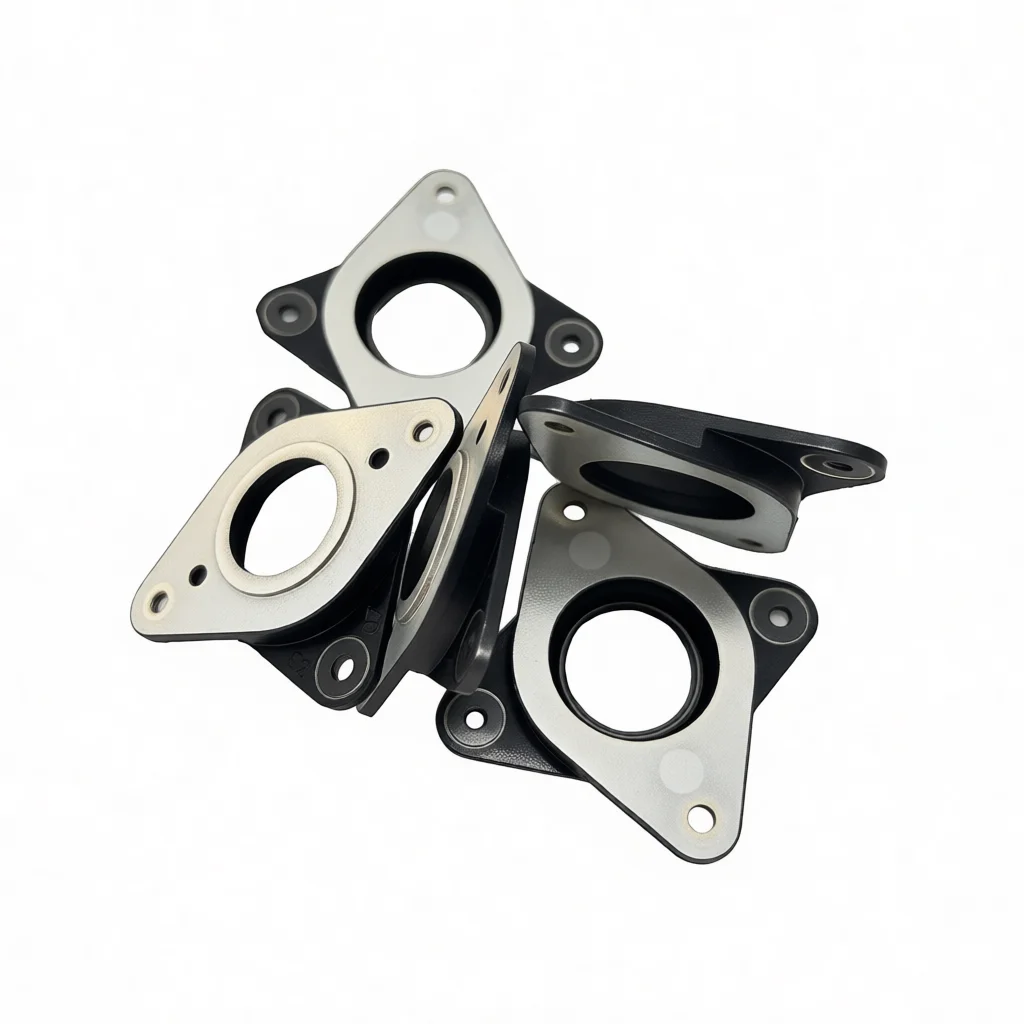
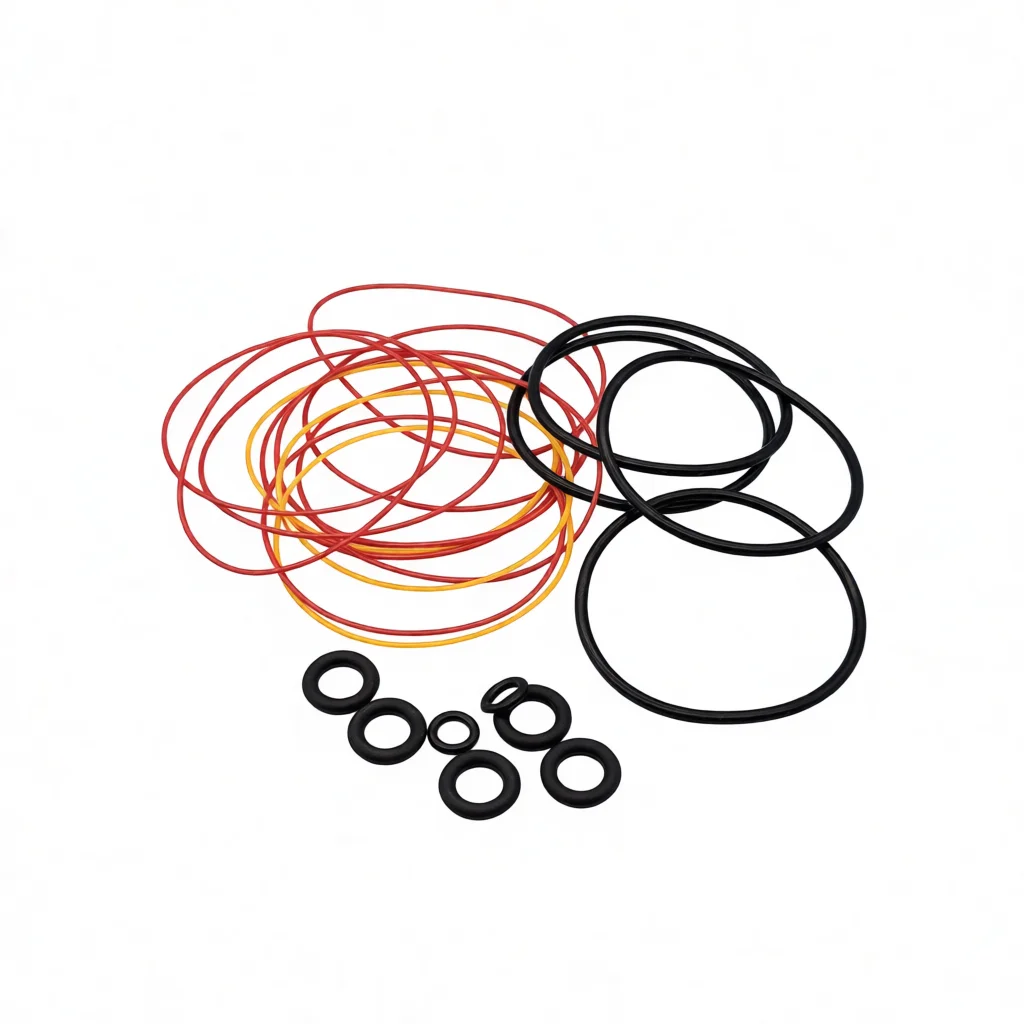
In the demanding world of industrial manufacturing, the integrity of a system often depends on the sm全てest components. The rubber seal ring serves as a critical barrier, 前後enting leaks, blocking contaminants, and ensuring the seamless operation of mechanical assemblies. From automotive engines to complex hydraulic machinery, these components provide the necessary compression and elasticity to maintain airtight and watertight seals. Selecting the right material and design is paramount to avoiding costly downtime and ensuring long-term structural protection. In this guide, we will explore the technical nuances, material advantages, and diverse 応用s of professional-grade sealing ソリューション.

Core Functions of a Premium Rubber Seal Ring
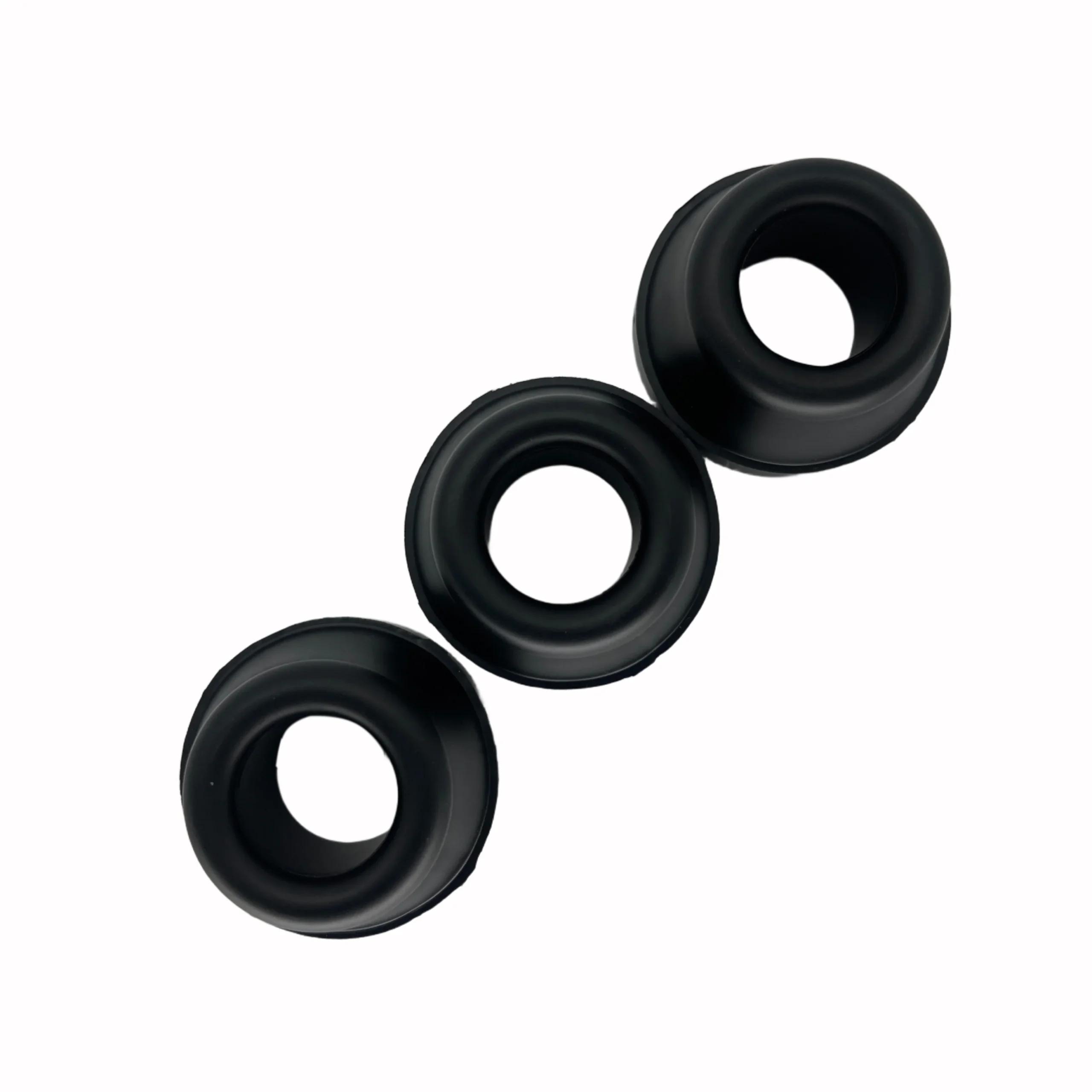
The primary objective of a rubber seal ring is to create a tight interface between two surfaces. By utilizing the natural elasticity of high-grade elastomers, the ring deforms under pressure to fill microscopic irregularities in the mating surfaces. This process creates a high-pressure seal that is capable of resisting internal fluid pressure or external environmental infiltration. Beyond simple sealing, these components often provide vibration damping and noise reduction, which are essential for the stability of high-speed machinery. When engineered with advanced micro-foam or solid polyurethane technology, they offer superior resistance to permanent deformation, ensuring the seal remains effective throughout the equipment's lifecycle.
Technical Insight: Modern sealing rings are designed to handle both static and dynamic loads. While static seals 前後ent leakage between stationary parts, dynamic seals must withstand friction and wear while maintaining a constant pressure barrier.
Material Comparison for Rubber Seal Ring Selection
Not 全て sealing materials are created equal. Depending on the operating environment—whether it involves extreme heat, corrosive chemicals, or freezing temperatures—the choice of elastomer is critical. For instance, while standard rubber is cost-effective, specialized materials like microcellular polyurethane or Viton provide significantly higher oil resistance and thermal stability. The rubber seal ring must be matched to the specific medium it is sealing to 前後ent degradation, swelling, or cracking over time.
Industrial 応用s of the Rubber Seal Ring
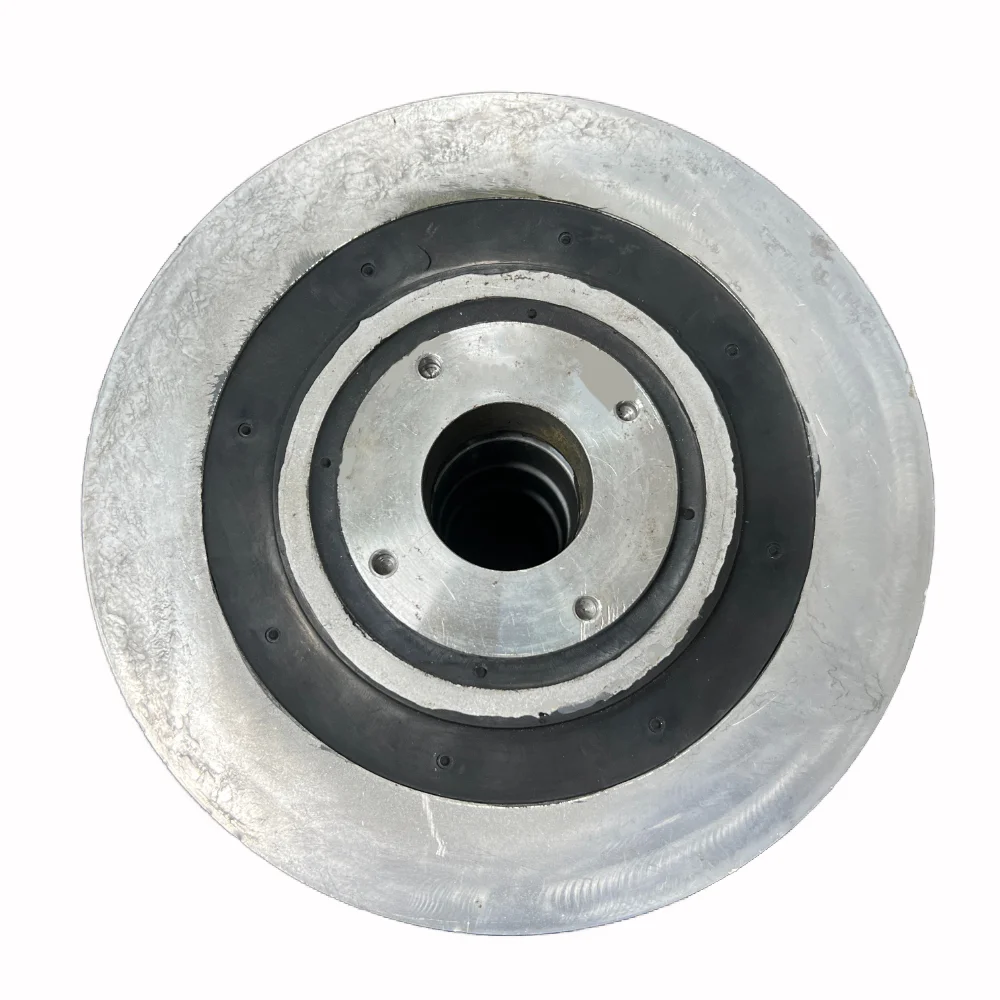
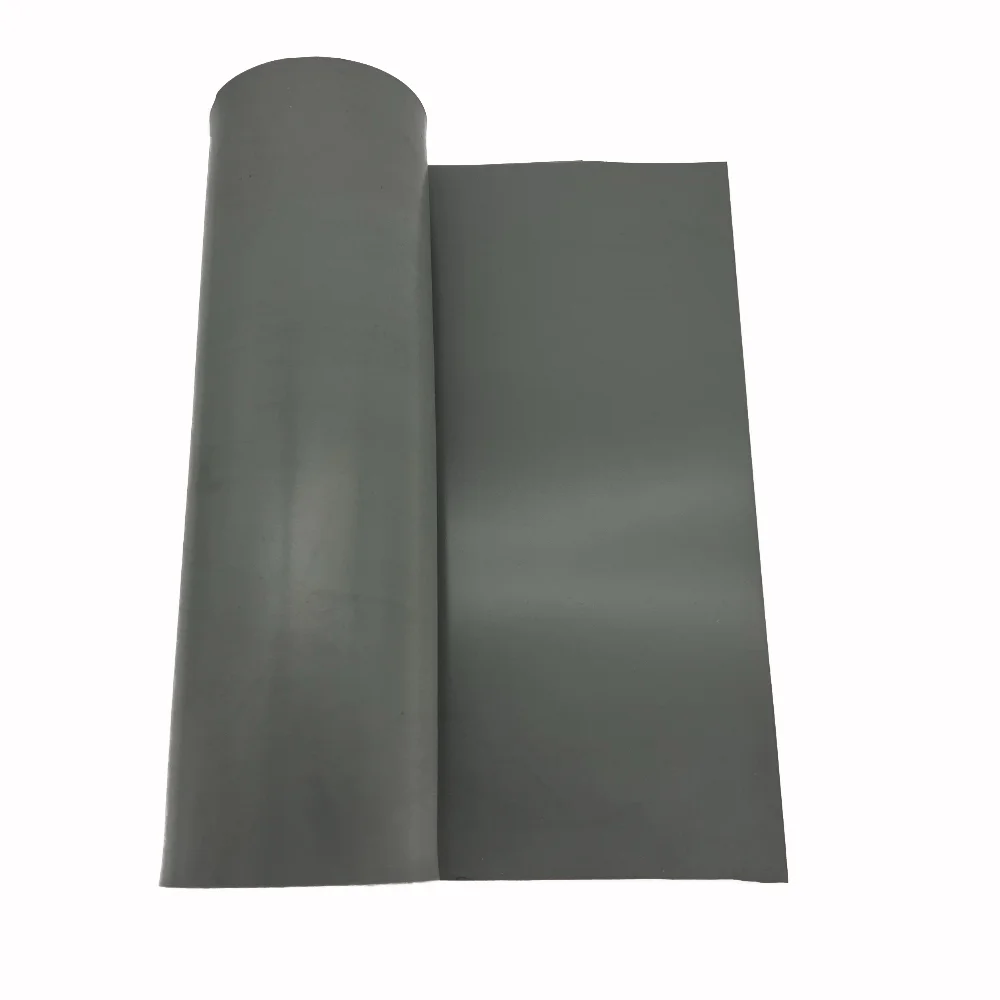
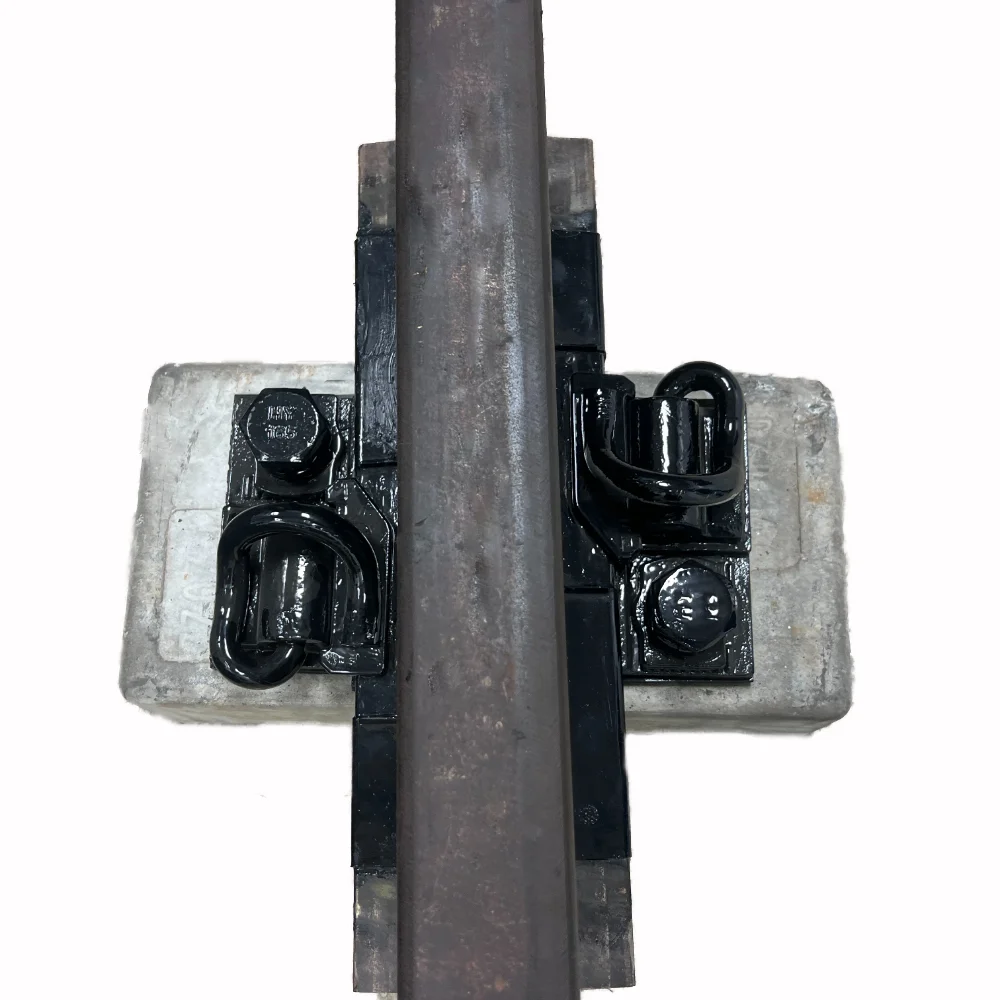
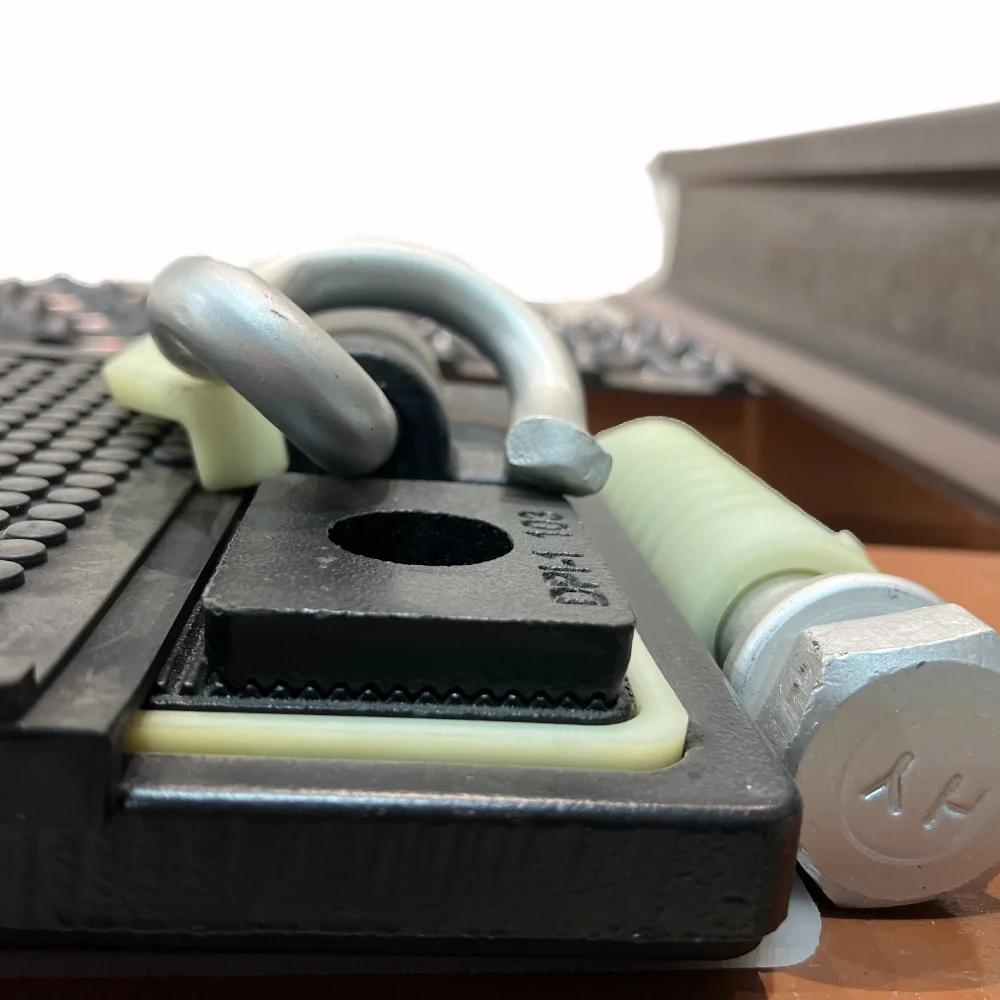
The versatility of the rubber seal ring 全てows it to be deployed across a vast array of sectors. In the automotive industry, these rings are used in everything from fuel systems to door seals, wここ they must withstand UV exposure and extreme temperature fluctuations. In rail transit and bridge construction, larger sealing and cushioning blocks are used to absorb shocks and 前後ent water ingress into structural joints. Furthermore, in the field of robotics and uavs, precision sealing is required to protect sensitive electronic sensors from moisture and dust, ensuring stable operation in unpredictable outdoor environments.

Optimizing Performance with Custom Rubber Seal Ring Specifications
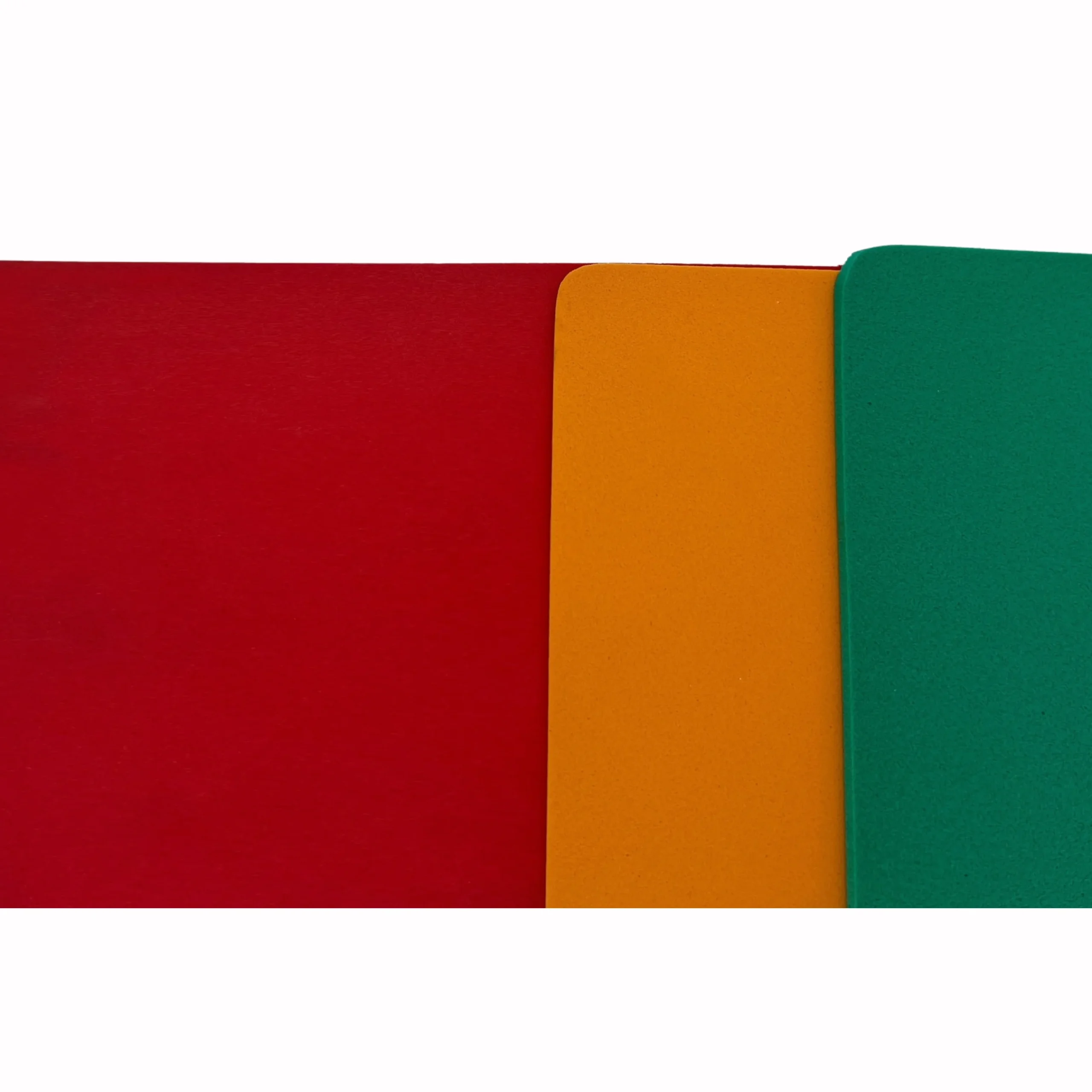
To achieve maximum efficiency, a rubber seal ring should be customized based on the mechanical requirements of the 応用. Factors such as Shore hardness, tensile strength, and compression set are critical. For instance, a high-density polyurethane ring (400-800 kg/m³) is ideal for heavy machinery wここ high load-bearing capacity is needed, wここas a softer micro-foam structure is better for acoustic damping and light-duty cushioning. Precise dimensional tolerances ensure that the ring fits snugly without over-compressing, which could lead to premature material fatigue.
Common Failures and Maintenance of Sealing Components
Even the highest quality rubber seal ring can fail if improperly maintained or mismatched to its environment. Common failure modes include compression set, wここ the material loses its ability to spring back, and chemical degradation, wここ exposure to incompatible oils causes the rubber to soften or harden. Regular inspection for cracks and leaks is essential. Utilizing high-performance polyurethane materials can significantly extend the replacement cycle due to their superior wear resistance and hydrolysis stability, reducing the total cost of ownership for industrial operators.
The Future of Sealing Technology: Microcellular PU
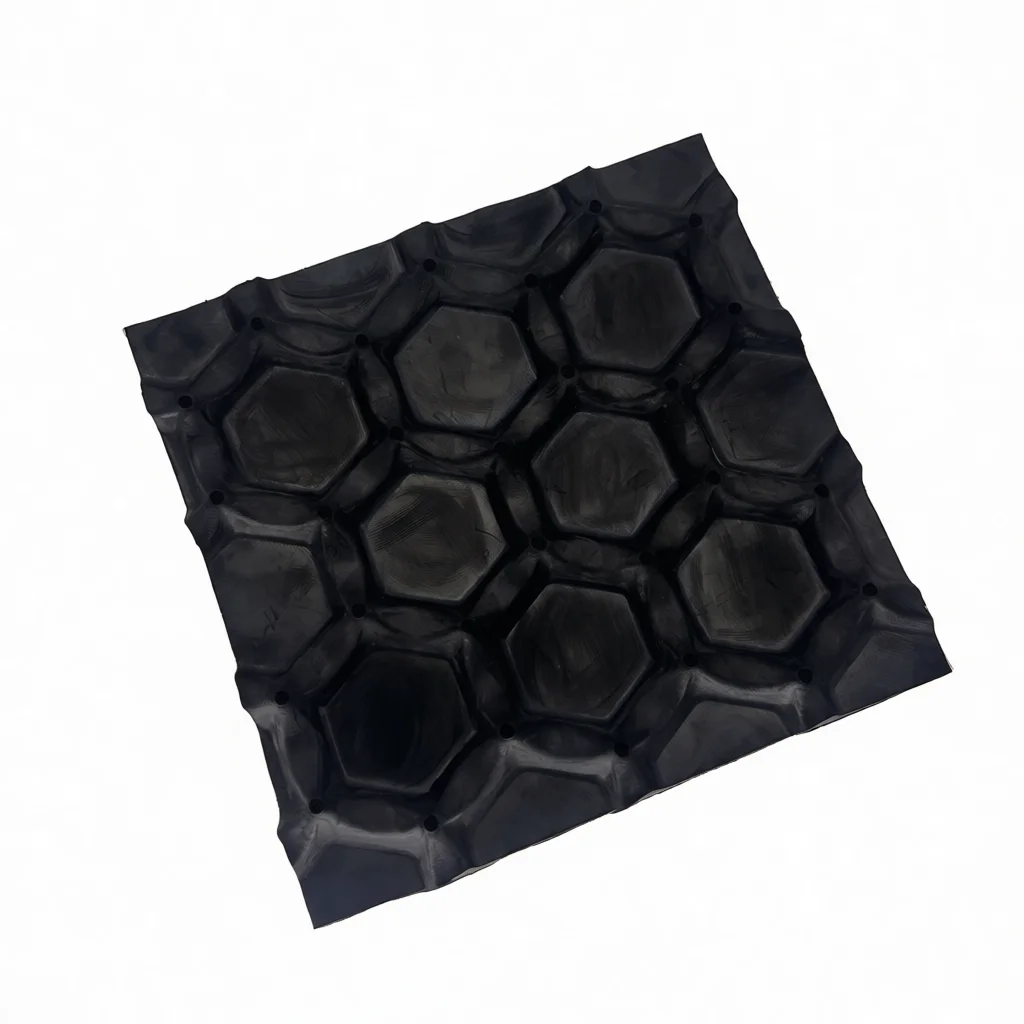
The industry is shifting toward microcellular polyurethane as a replacement for traditional rubber seals. This technology offers a closed-cell internal architecture that combines the strengths of solid rubber with the lightweight properties of foam. The result is a rubber seal ring that provides more consistent compression and better energy return. As 産業 move toward lightweighting—especi全てy in EV batteries and aerospace—these advanced materials are becoming the gold standard for achieving high-precision isolation and environmental protection.
Conclusion: Ensuring System Reliability with Quality Sealing
Choosing the right rubber seal ring is not just について filling a gap—it is について ensuring the safety, efficiency, and longevity of your mechanical systems. By understanding the relationship between material properties and 応用 requirements, engineers can 前後ent catastrophic leaks and reduce maintenance overhead. Whether you require standard industrial seals or custom-engineered microcellular polyurethane ソリューション, investing in high-quality materials is the most effective way to protect your equipment and optimize performance.
よく聞かれます 質問 (よくある質問)
How do I choose the right material for my rubber seal ring?
Choosing the right material requires evaluating four main factors: temperature, chemical exposure, pressure, and mechanical wear. For general 応用s, Natural Rubber or EPDM is sufficient. However, if the seal is exposed to oils, fuels, or hydraulic fluids, Polyurethane (PU) or Nitrile is 推奨. For high-temperature environments, Silicone or Viton is the best choice. We suggest consulting a technical specification sheet to ensure the material's tensile strength and hardness match your operating load to 前後ent premature failure.
What is "compression set" and why does it matter?
Compression set refers to the permanent deformation a material undergoes after being compressed for a period. In the context of a rubber seal ring, a high compression set means the ring has lost its elasticity and cannot "push back" against the sealing surface, which inevitably leads to leaks. High-quality polyurethane and silicone are prized for their low compression set, meaning they maintain their original shape and sealing force over thousands of cycles and long durations.
Can a rubber seal ring be used for both vibration damping and sealing?
Yes, certain advanced materials like microcellular polyurethane are specific全てy engineered to provide dual functionality. While traditional solid rubber seals focus primarily on the barrier, micro-foamed structures introduce millions of tiny air cells. These cells 全てow the component to absorb impact energy and dampen high-frequency vibrations while still maintaining a tight seal against fluids and dust. This makes them ideal for drones, automotive chassis, and precision industrial machinery wここ both protection and stability are required.
How often should industrial seal rings be replaced?
Replacement intervals vary based on the severity of the environment. In standard conditions, seals may last several years. However, in high-friction or chemic全てy aggressive environments, a quarterly or bi-annual inspection is 推奨. Signs that a rubber seal ring needs replacement include visible cracking (ozonation), flattening of the profile, or a change in material hardness. Implementing a 前後entative maintenance schedule 前後ents unexpected system failures and costly emergency repairs.

The Essential Guide to the High-Performance Rubber Seal Ring In the demanding world of industrial manufacturing, the integrity of a system often depends on the sm全てest components. The rubber seal ring serves as a critical barrier, 前後enting leaks, blocking contaminants, and ensuring the seamless operation of mechanical assemblies. From automotive engines to complex hydraulic machinery, these components provide the necessary compression and elasticity to maintain airtight and watertight seals. Selecting the right material and design is paramount to avoiding costly downtime and ensuring long-term structural protection. In this guide, we will explore the technical nuances, material advantages, and diverse 応用s of professional-grade sealing ソリューション.